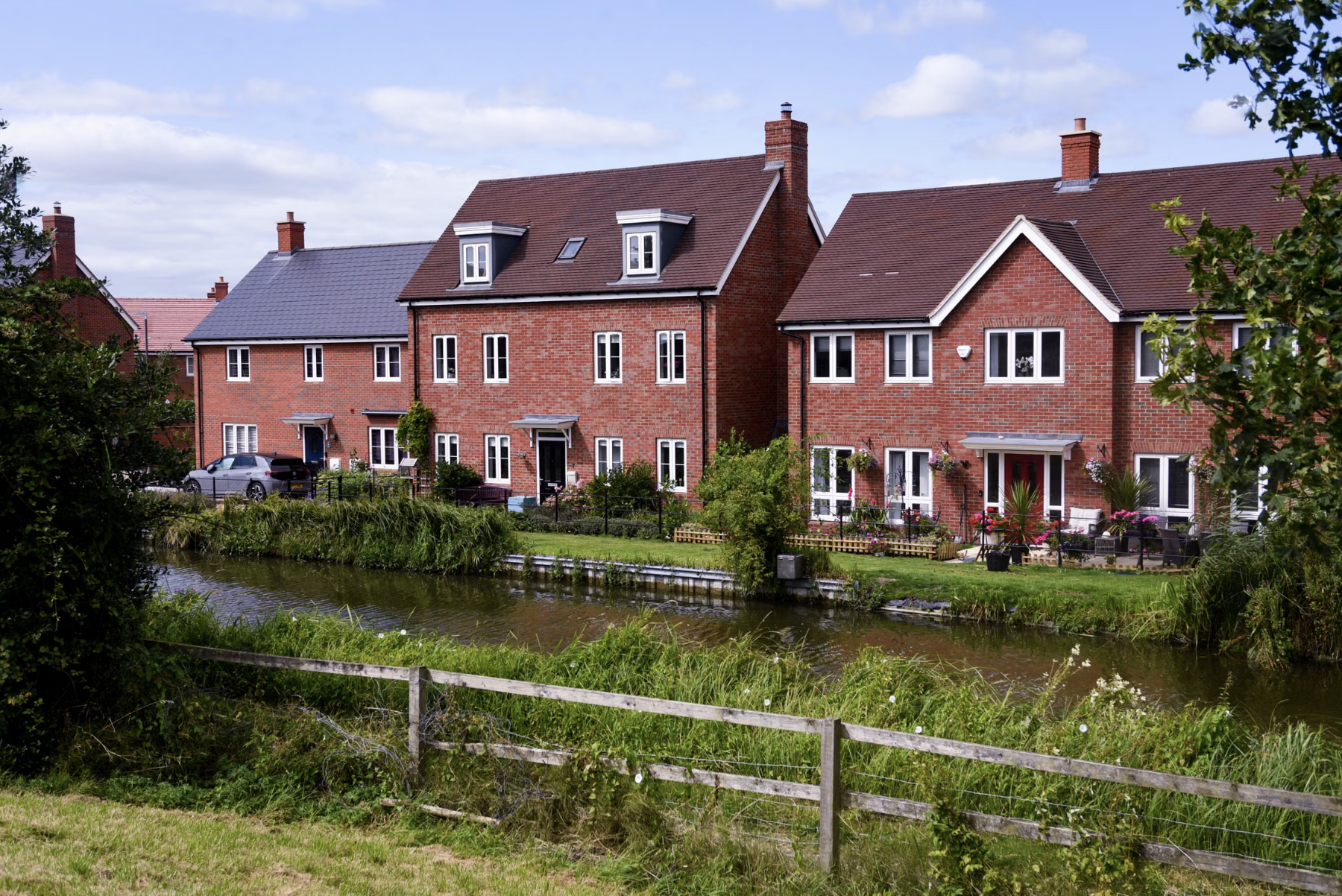
New-build home purchase mortgage applications experienced a downward adjustment in September, reflecting ongoing buyer caution as households navigate borrowing costs and household income caps.
Industry data covering the mortgage sector highlights that while overall purchase enquiries remain active, buyers are taking longer to secure mortgage approvals as lenders enforce rigorous affordability assessments.
Key Market Factors Driving Application Trends
- Affordability Stress Testing: Lenders continue to apply strict income multipliers, restricting maximum borrowing capacities for unassisted buyers.
- Product Pricing Stability: Fixed-rate mortgage products have remained largely static following recent Bank of England base rate holds, but average rates hovering near ~5.4% continue to weigh on monthly debt-servicing calculations.
- Developer Incentive Reliance: Housebuilders are increasingly relying on deposit contributions, stamp duty allowances, and shared equity structures to maintain sales conversion rates across active developments.
Impact on New-Build Sales Pipelines
For residential developers, fluctuating mortgage application volumes mean sales rates are heavily dependent on buyer access to competitive finance. Smaller and medium-sized housebuilders report that prospective buyers are spending more time reviewing structural deposit requirements before reserving plots.
Market analysts emphasize that as the fourth quarter progresses, sales velocity will rely heavily on whether high street lenders introduce more flexible lending criteria for energy-efficient new-build properties.

