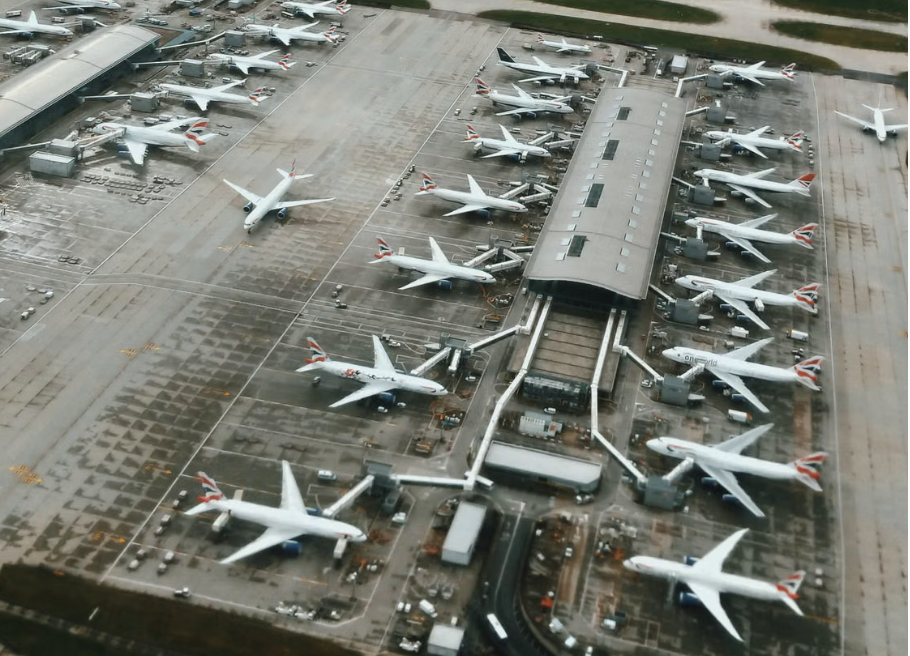
The target opening date for Heathrow Airport’s proposed third runway has been delayed by four years, pushing expected completion back from 2035 to 2039.
Airport executives have informed government ministers that meeting the original 2035 target is no longer viable under current development and regulatory timelines.
Revised Timelines & Planning Horizons
- New Opening Target: 2039 (previously 2035)
- Planning Application Deadline: Target for securing formal planning permission remains set for 2029
- Project Delivery Model: 100% privately funded national infrastructure project
- Projected Economic Impact: Estimated creation of over 100,000 national supply chain and operational jobs
Regulatory Constraints and Environmental Oversight
Heathrow representatives confirmed that while the airport aims to secure planning consent by 2029, delivering construction within a decade of approval requires streamlined regulatory processes.
The delay coincides with heightened environmental scrutiny surrounding UK aviation policy. Statutory advisers at the Climate Change Committee recently stated that airport capacity expansion must be aligned with strict sector emissions reductions and net-zero targets.
In response, Department for Transport officials noted that transport policy updates will look holistically at economy-wide decarbonisation, emphasising that expanded hub capacity remains vital for international trade connections with emerging global markets.
Pushing the runway opening to 2039 reshapes long-term commercial property, logistics, and land-use planning expectations around the West London corridor. Industrial and logistics developers relying on expanded air freight capacity will need to adjust strategic delivery timelines accordingly.