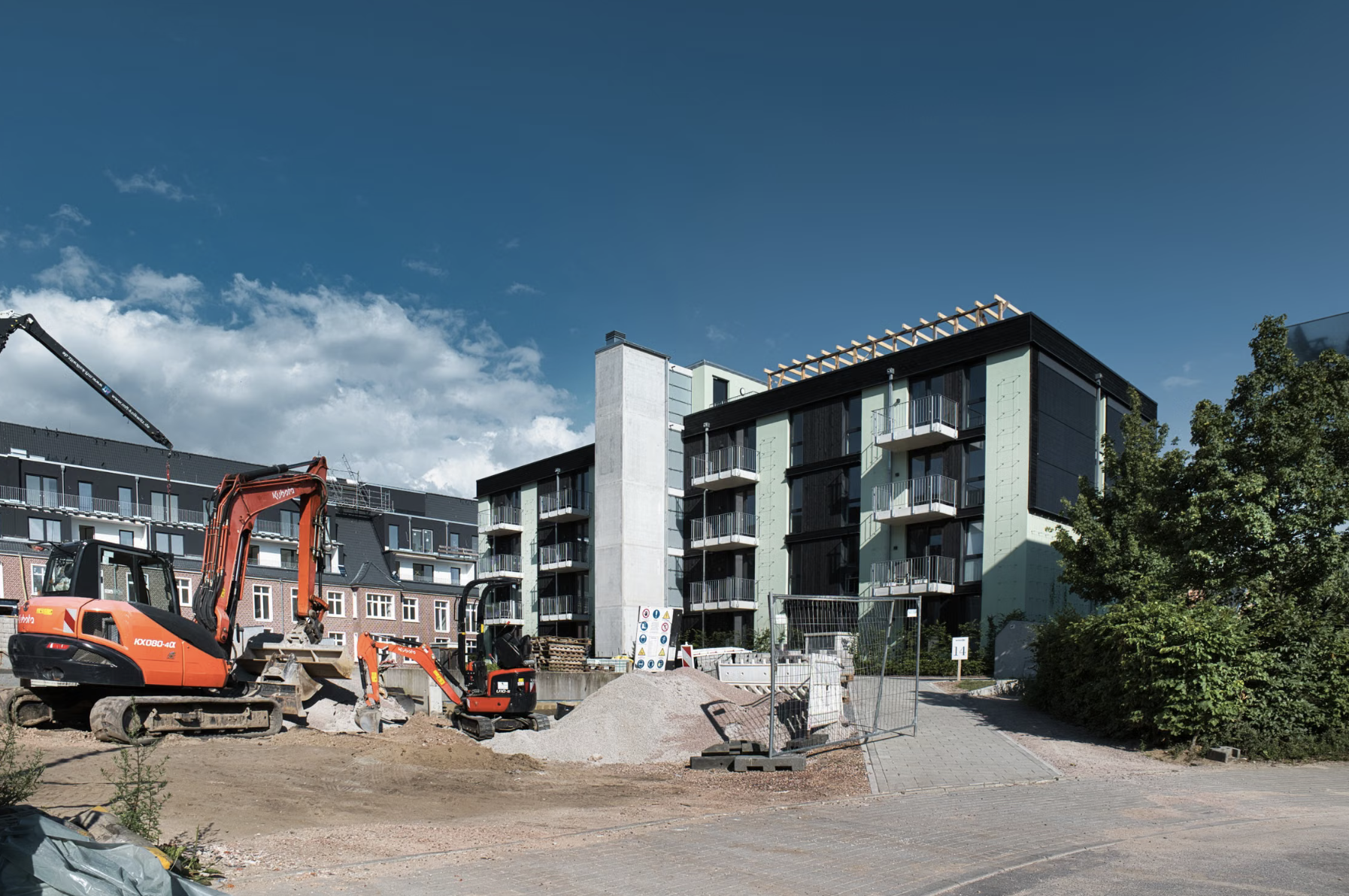
Buying off-plan, purchasing a property before it’s built, often based on floor plans and show homes alone, is a common route for investors, particularly in new-build developments. It comes with a distinctive set of risks and rewards that differ significantly from buying a completed property. Here’s what’s worth weighing up.
How Off-Plan Purchases Work
An off-plan purchase typically starts with reserving a specific unit in a development that hasn’t yet been completed, often based on architectural plans, a show home, or marketing materials for the finished building. A reservation fee secures the unit, followed by exchange of contracts and an initial deposit, with the balance due on completion, sometimes months or even years after the initial reservation, depending on the development’s construction timeline.
The Case for Buying Off-Plan
Prices are often lower than post-completion values. Developers frequently price early-phase units at a discount to encourage sales before construction is complete, meaning early buyers can sometimes benefit from price growth simply by the time the development finishes, even before considering wider market movements.
More choice of unit. Buying early in a development’s sales process typically means a wider choice of floor plans, aspects, and positions within the building, compared with buying once most desirable units have already sold.
Everything is brand new on completion. Off-plan buyers benefit from all the advantages of new-build ownership, structural warranties, modern energy efficiency, and lower near-term maintenance costs, from the moment they move in or let the property out.
Payment can be staged. Rather than needing the full purchase amount at the point of reservation, off-plan purchases typically spread payment across reservation, exchange, and completion, which can help with cash flow planning compared with a completed purchase.
The Case Against Buying Off-Plan
Construction delays are common. Development timelines slip more often than buyers expect, and a delay in completion can create knock-on problems, particularly for buyers relying on a mortgage offer with a fixed expiry date, or those planning around a specific move-in or letting timeline.
The finished product may differ from the marketing. Show homes and marketing materials represent the best-case version of a finished unit, and there’s always some risk that the finished result, down to finishes, fixtures, or exact room proportions, differs from what was originally shown.
Market conditions can change before completion. Because off-plan purchases are agreed well before completion, there’s a risk that property values or mortgage rates move unfavourably in the intervening period. A mortgage agreed at the point of exchange may no longer reflect current rates or lending criteria by the time completion actually arrives, sometimes requiring buyers to re-apply.
Developer risk exists. In rare cases, a developer can run into financial difficulty before a development is finished, which can leave buyers in a legally and financially complicated position. Checking a developer’s track record, and understanding whether deposits are protected under a recognised warranty scheme, is an important part of due diligence before committing.
Valuation at completion isn’t guaranteed to match the purchase price. If prices in the wider area haven’t grown as expected, or have fallen, by the time a development completes, a mortgage valuation at completion could come in below the originally agreed purchase price, which can create a funding gap for buyers relying on a specific loan-to-value ratio.
Reducing the Risk
Buyers considering an off-plan purchase can reduce their exposure by researching the developer’s track record and financial standing, confirming deposit protection through a recognised scheme, building in a buffer for potential delays rather than assuming the original completion date will hold, and avoiding overcommitting based on assumed price growth that hasn’t yet happened.
The Bottom Line
Off-plan investment can offer genuine advantages, price growth potential, wider unit choice, and staged payments, but it comes with risks that don’t exist when buying a completed property, chiefly around timeline uncertainty and the gap between agreeing a price and the property actually existing. It tends to suit buyers who can tolerate that uncertainty and who’ve done proper due diligence on the developer, rather than those seeking the most predictable route to ownership.